How Are Elevators Manufactured? A Complete Guide
Have you ever wondered how an elevator is manufactured? An elevator is not simply a cabin with a motor. It is a carefully engineered system made from multiple mechanical, electrical and safety components.
As an elevator manufacturer in India, AV Cam follows a structured manufacturing process covering everything from raw material processing to final inspection and dispatch.
1. Raw Material Selection
Elevator manufacturing starts with selecting suitable quality materials such as mild steel, stainless steel, structural steel, aluminium and other engineering materials.
The material selected depends on the elevator's design, capacity and application.
2. Cutting and Bending
Metal sheets are processed using precision machinery such as CNC laser cutting, CNC punching and CNC bending machines.
These processes are used to manufacture accurate components for elevator doors, cabins, brackets, panels and other parts.
3. Welding and Fabrication
After cutting and bending, components are fabricated and joined through welding. Robotic and modern welding systems can be used for consistent production.
Door frames, cabin structures, brackets and other fabricated components are inspected for proper dimensions and alignment.
4. Surface Finishing
Fabricated components undergo suitable surface treatment and finishing. Powder coating is used for selected components to provide a durable and uniform finish.
Elevator cabins can also feature finishes such as stainless steel hairline, mirror, gold and decorative surfaces according to the design.
5. Elevator Door and Cabin Manufacturing
Elevator doors are manufactured in different configurations, including centre-opening, side-opening, telescopic and vertical-opening doors.
Elevator cabins are manufactured according to the required capacity, dimensions and application. Passenger, hospital, home and goods elevators may have different cabin designs and configurations.
6. Mechanical and Electrical Assembly
Major elevator components such as guide rails, traction machines, ropes, safety gears, buffers, door mechanisms, controllers, V3F drives, sensors and ARD systems are prepared and integrated according to the elevator design.
Proper alignment and electrical connections are essential for smooth system operation.
7. Quality Inspection and Testing
Quality checks are carried out at different stages of the manufacturing process.
Inspection may include:
- Raw material checks
- Dimensional inspection
- Welding inspection
- Surface finish inspection
- Door operation testing
- Electrical testing
- Safety system checks
- Final assembly inspection
Testing helps ensure that the finished elevator system is prepared for installation.
8. Packing and Dispatch
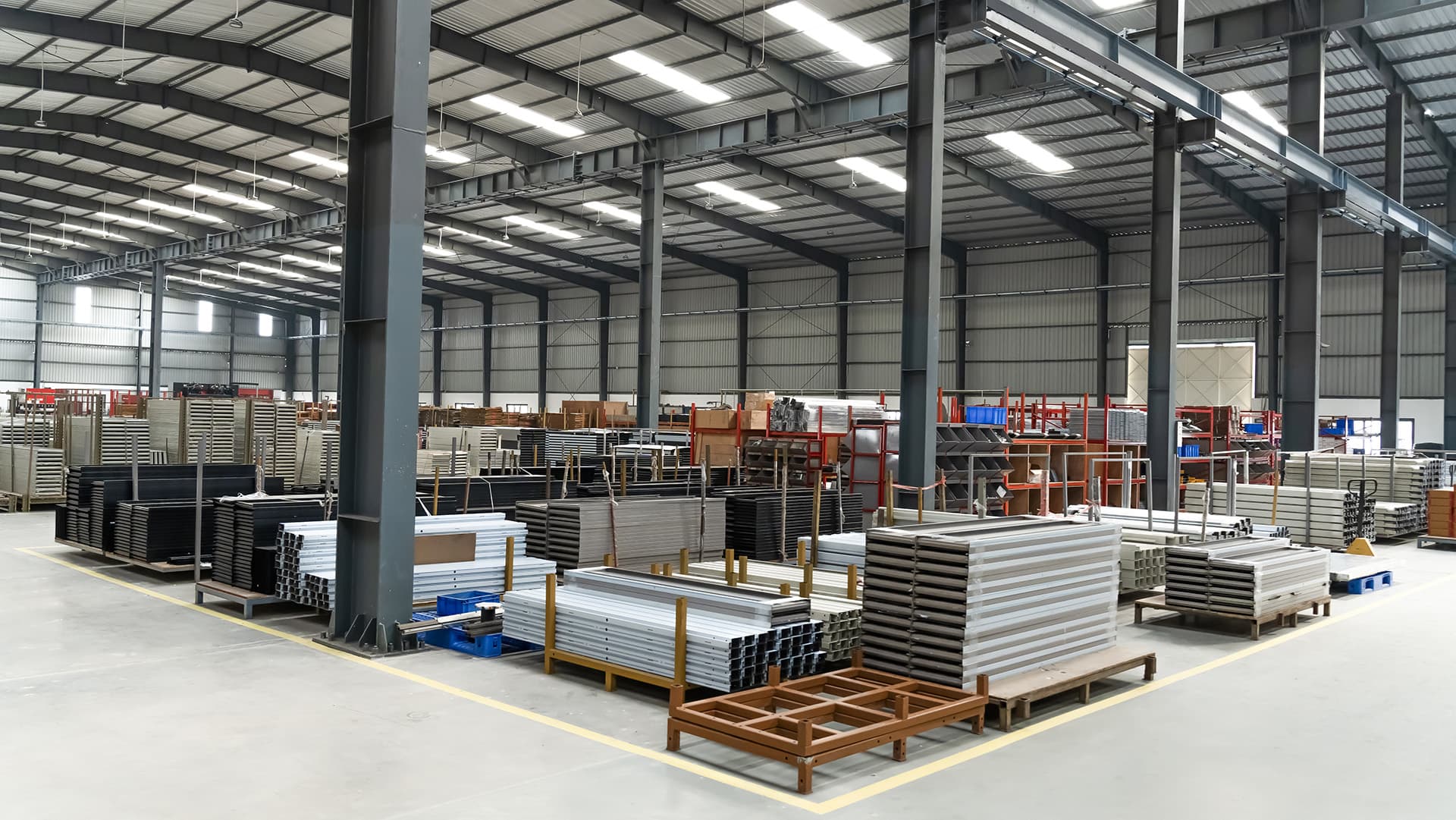
After final inspection, elevator components are carefully packed using suitable protective packaging or wooden crates, depending on the component.
The finished products are then dispatched to the project site for installation and commissioning.
Elevator Manufacturing at AV Cam
AV Cam manufactures and supplies elevator components and complete elevator solutions for residential, commercial, industrial and specialised applications.
From raw material to finished product, every stage involves engineering, precision manufacturing and quality inspection.
Our product range includes passenger elevators, home elevators, hospital elevators, goods elevators, MRL elevators, elevator doors, elevator cabins, traction machines and elevator safety components.
Conclusion
The elevator manufacturing process combines modern machinery, quality materials, skilled workmanship and systematic testing. Every component plays an important role in creating a reliable and efficient vertical transportation system.
From the first stage of raw material processing to final assembly and dispatch, precision remains an essential part of elevator manufacturing.